Glaucoma is one of the leading causes of irreversible blindness worldwide, yet most people know very little about it until they or someone close to them receives a diagnosis. The condition often develops silently, without pain or obvious symptoms, making it one of the most difficult eye diseases to catch without professional screening.
At Vision Clinic Sydney, one of the most common questions we receive from patients is whether glaucoma can be prevented. As it is a condition that often develops without warning, many people are understandably concerned, particularly those with a family history of the disease. This article breaks down what we currently know about glaucoma prevention, who is most at risk and what steps you can take to protect your sight.
Can You Prevent Glaucoma?
Glaucoma cannot be fully prevented. It is a complex condition influenced by factors often outside a person’s control, including genetics, age, and eye anatomy. Although glaucoma cannot always be prevented, its progression can often be slowed with early intervention.
The most important step is detecting the condition before it leads to permanent vision loss. In many cases, this can only be achieved through regular eye examinations, as the early stages typically develop without any noticeable symptoms.
What Causes Glaucoma?
Glaucoma refers to a group of eye conditions that damage the optic nerve, the structure that carries visual information from the eye to the brain. Any damage to this nerve is permanent and irreversible.
In many cases, glaucoma is associated with increased intraocular pressure (IOP), or the pressure inside the eye. This occurs when the eye’s natural fluid, known as aqueous humour, does not drain as it should, leading to a gradual build-up of pressure that can compress and damage the optic nerve over time.
Not all glaucoma, however, is linked to high eye pressure. Some individuals develop the condition despite having normal IOP, known as normal-tension glaucoma. This is why eye pressure alone is not the only factor assessed during an eye examination.
Common underlying causes include:
- Fluid drainage issues within the eye’s drainage angle
- Genetics and inherited structural differences
- Age-related changes to eye tissue and drainage function
- Reduced blood supply to the optic nerve
What Are the Risk Factors for Glaucoma (And Which You Can Control)
Understanding your personal risk profile is one of the most useful things you can do. While some risk factors cannot be changed, others can be actively managed.
Non-Controllable Risk Factors
Age
The risk of glaucoma increases significantly after age 60, though it can occur at any age.
Family history
Having a first-degree relative with glaucoma significantly increases your risk. Genetics are known to play a key role in the development of the most common forms of the condition.
Ethnicity
People of African, Asian and Hispanic descent face a higher risk of certain types of glaucoma, including primary open-angle glaucoma and angle-closure glaucoma.
Controllable Risk Factors
These are areas where lifestyle changes and medical management can make a difference:
High eye pressure
Elevated intraocular pressure (IOP) is the most significant modifiable risk factor for glaucoma. It can be identified through routine eye examinations and managed with medicated eye drops, laser treatment, or surgery, as necessary. Reducing IOP is the primary goal of most glaucoma treatment plans.
Poor blood circulation
Conditions that affect blood flow, including low blood pressure and certain cardiovascular conditions, may reduce the supply of oxygen and nutrients to the optic nerve, making it more susceptible to damage. Managing cardiovascular health through staying active and eating a balanced diet can therefore have a positive effect on eye health as well.
Eye injury (trauma)
Injury to the eye can disrupt the normal drainage of fluid and lead to secondary glaucoma, sometimes months or even years after the initial trauma. Wearing appropriate eye protection during sports, high-risk work or activities involving flying debris is an important preventive measure.
Smoking
Smoking is associated with increased oxidative stress, reduced ocular blood flow and a higher risk of several eye conditions, including glaucoma. Quitting smoking is one of the most impactful lifestyle changes a person can make for both their general and ocular health.
Uncontrolled diabetes
Diabetes is closely linked to changes in vascular supply throughout the body, including those affecting the blood vessels that supply the optic nerve. People with poorly controlled blood sugar have a higher risk of developing glaucoma, alongside other diabetes-related eye conditions. Effective management through diet, medication and regular monitoring is essential.
Prolonged steroid use
Long-term use of corticosteroid medications, particularly topical eye drops, nasal sprays and oral steroids, can raise intraocular pressure in susceptible individuals. If you are on long-term steroid medication, your eye care provider should be monitoring your eye pressure regularly.
What Are the Symptoms of Glaucoma?
Glaucoma is often referred to as the “silent thief of sight.” In its most common form, there are no noticeable symptoms in the early stages. Vision loss typically begins in the peripheral field, where it can go unnoticed, and the brain compensates so effectively that substantial damage may occur before any changes are detected.
Early Stage Glaucoma
Most patients with early glaucoma experience no pain, no visual disturbance and no indication that anything is wrong. Routine eye examinations are the only reliable way to detect it at this stage.
Advanced Symptoms
As the disease progresses, symptoms may include:
- Loss of peripheral (side) vision
- Tunnel vision, where only a narrow central field remains
- Blurred vision and difficulty in low light
In acute angle-closure glaucoma, symptoms can include sudden eye pain, headache, nausea and blurred vision. This is a medical emergency requiring immediate care.
What Does Glaucoma Look Like and Feel Like?
For most patients, early glaucoma looks and feels like nothing at all. Peripheral vision fades so gradually that it goes unnoticed, and primary open-angle glaucoma causes no pain or discomfort. By the time tunnel vision or significant blurring becomes apparent, significant damage has typically already occurred.
Acute angle-closure glaucoma is different. Patients experience sudden and intense eye pain, redness, headache, nausea and halos around lights. This requires immediate medical attention.

How to Reduce Your Risk of Glaucoma?
Some ways to reduce your risk of glaucoma include:
- Getting regular comprehensive eye examinations, including intraocular pressure measurement and optic nerve assessment
- Monitoring your eye pressure if you have been identified as high risk
- Protecting your eyes from injury, as trauma can cause secondary glaucoma
- Maintaining a healthy lifestyle, including regular physical activity, which may help lower eye pressure
- Managing chronic conditions such as diabetes and hypertension
- Avoiding prolonged steroid use without medical supervision
- Quitting smoking
- Knowing your family history and sharing it with your eye care provider
Why Regular Eye Examinations are Critical
As glaucoma develops without symptoms in its early stages, routine examinations are the only reliable way to detect it before vision loss occurs. At Vision Clinic Sydney, glaucoma assessment includes tonometry, ophthalmoscopy, visual field testing and optical coherence tomography (OCT) to identify structural changes.
Where glaucoma is detected, treatment options provided by Dr Kumar include:
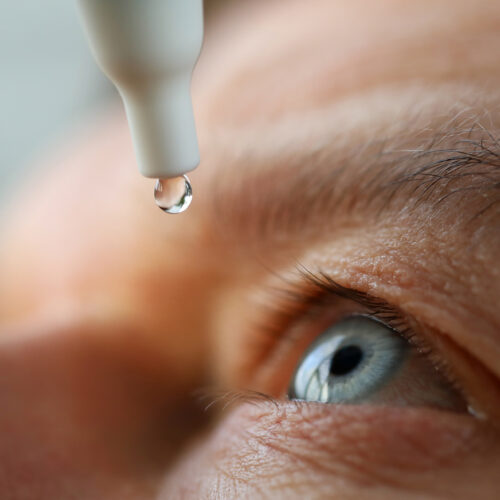
- Eye drops to reduce intraocular pressure
- Laser surgery, including selective laser trabeculoplasty (SLT)
- Microincisional glaucoma surgery (MIGS)
How To Book an Assessment
To request an appointment or if you have an enquiry, please contact us via the following ways:
Call or message us: +612 9222 9188
Email us: reception@visionclinicsydney.com.au
Book online via our website
FAQs
Can glaucoma be stopped if caught early?
Early detection can significantly improve outcomes. When identified early, glaucoma can often be effectively managed with eye drops, laser treatment, or surgery, helping to prevent or delay further vision loss in most patients.
What are the first signs that glaucoma is developing?
In the early stages, there are typically none. Subtle peripheral vision loss may develop as the disease progresses, though it often goes unnoticed until significant damage has occurred.
What are the main causes of glaucoma?
Most commonly, increased intraocular pressure is caused by impaired fluid drainage within the eye. Other contributing factors include genetics, age-related changes and reduced blood supply to the optic nerve.
What is the average age for glaucoma?
Glaucoma is most commonly diagnosed in people over 60, though it can occur at any age. Those with elevated risk factors should begin screening at age 40.
Is glaucoma hereditary?
Yes. A family history of glaucoma, particularly in a parent or sibling, significantly increases your risk. It’s important to inform your eye care provider and consider starting regular screening earlier than the general population.
Can lifestyle changes prevent glaucoma?
Not completely, but they can help reduce certain risk factors. Staying physically active, avoiding smoking, managing conditions such as diabetes and protecting the eyes from injury all support overall eye health and may lower the risk of developing or worsening glaucoma.