If you’ve been told you need pterygium surgery, one of your first questions is likely how long recovery takes and what the healing process involves. The good news is that pterygium removal is a common day procedure, and most people can return to many of their normal activities within a couple of weeks. Knowing what to expect and how to care for your eye afterwards can help support a smooth recovery and reduce the risk of complications.
Here’s what you can expect during pterygium surgery recovery, including the typical healing timeline and aftercare recommendations.
What Is Pterygium Surgery?
A pterygium is a fleshy, wing-shaped growth of tissue that develops on the conjunctiva (the clear membrane covering the white of the eye) and can extend onto the cornea. Often associated with long-term exposure to ultraviolet (UV) light, wind and dust, it is sometimes referred to as “surfer’s eye”. When a pterygium causes persistent irritation, redness, blurred vision, or continues to grow towards the centre of the cornea, surgical removal may be recommended.
Modern pterygium surgery commonly uses a conjunctival autograft technique. After the pterygium is removed, a small piece of healthy conjunctival tissue is taken from beneath the upper eyelid and placed over the affected area. The graft is usually secured with tissue glue or dissolvable sutures. This technique has been shown to significantly reduce the risk of the pterygium recurring compared with older surgical methods.
The procedure typically takes 30 to 45 minutes, is performed under local anaesthetic, and most patients return home the same day.

Pterygium Surgery Recovery Time: What to Expect
Recovery occurs in stages. Although the surface of the eye usually heals within a few weeks, healing continues beneath the surface for several months.
The first 24 to 48 hours
Your eye will be covered with a pad and shield when you leave the clinic. Expect discomfort, a gritty or foreign-body sensation, watering, and light sensitivity as the anaesthetic wears off. This is the most uncomfortable phase, but it’s short.
The first week
The eye will look red and feel irritated; this is normal. Most people take about a week off work, particularly if their job involves screens, dust, or physical activity. Redness and the sensation of something in the eye gradually eases over these days.
Weeks 2 to 4
The surface heals, and the graft settles. Redness fades noticeably, though some pinkness at the graft site can linger. Vision stabilises for most people during this window.
One to 3 months
Deeper healing continues beneath the surface. The eye continues to settle, redness resolves, and any residual irritation typically disappears. Your surgeon will usually see you for follow-up during this period to confirm that healing is on track.
The Healing Process, Step by Step
Understanding what happens as your eye heals can help explain why following your aftercare instructions is so important at each stage.
Graft attachment: During the first few days after surgery, the conjunctival graft begins to bond to the surface of your eye. It’s important to avoid rubbing or putting pressure on the eye, as this can interfere with the healing process.
Surface healing: Over the first couple of weeks, the outer layer of the eye (the epithelium) heals and smooths over the graft. As this occurs, discomfort and the gritty or foreign body sensation gradually improve.
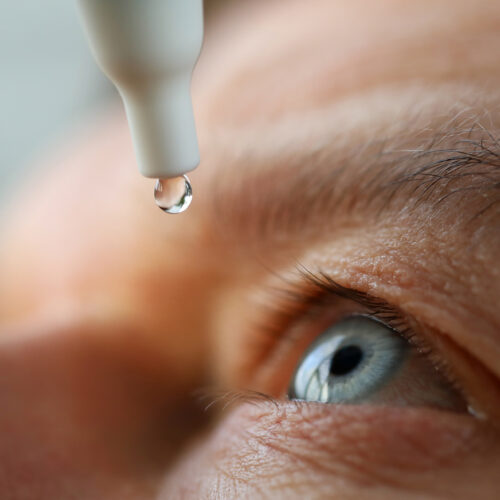
Inflammation control: Prescribed antibiotics and anti-inflammatory eye drops help reduce inflammation, prevent infection, and support healing. Using your drops exactly as directed is an important part of recovery.
Tissue remodelling: Over the following weeks and months, the graft continues to integrate with the surrounding tissue. Redness gradually fades, irritation continues to settle, and healing continues beneath the surface.

Pterygium Surgery Aftercare
Following your surgeon’s aftercare instructions is one of the most important parts of recovery. Good aftercare supports healing and reduces the risk of complications or recurrence of the pterygium.
Use Your Eye Drops as Directed
At Vision Clinic Sydney, Dr Kumar will prescribe antibiotic and anti-inflammatory eye drops to help prevent infection and control inflammation while your eye heals. It’s important to use these medications exactly as directed and complete the full course.
Many patients gradually reduce (taper) their eye drops over several weeks. Stopping them too early can increase inflammation and delay healing.
Protect Your Eye
Your eye will be more sensitive during recovery, so protecting it from irritation is essential. Wearing wraparound sunglasses outdoors helps shield your eyes from ultraviolet (UV) light, wind and dust, all of which can delay healing or increase the risk of the pterygium recurring.
You should also keep your eyes clean and follow any cleaning or hygiene instructions provided by Dr Kumar.
Attend Follow-Up Appointments
Your follow-up appointments allow Dr Kumar to monitor how the graft is healing, check for any signs of complications, and ensure your recovery is progressing as expected. Even if your eye feels fine, it’s important to attend all scheduled reviews.
Give Your Eye Time to Heal
Although many people return to their usual activities within a couple of weeks, healing continues for several months. Getting adequate rest and avoiding unnecessary strain on the eye during the early stages of recovery can support the healing process.
What to Avoid After Pterygium Surgery
During the first few weeks after surgery, there are several activities you should avoid to reduce the risk of complications and protect the surgical graft.
Avoid Rubbing Your Eye
Your eye may feel itchy, watery or gritty as it heals, but rubbing it can disturb or dislodge the conjunctival graft. If your eye feels uncomfortable, speak with your surgeon rather than rubbing it.
Avoid UV Exposure
Long-term exposure to ultraviolet (UV) light is a major cause of pterygium development and recurrence. Wearing high-quality sunglasses whenever you’re outdoors can help protect your eye and reduce the risk of the pterygium returning.
Avoid Swimming and Contaminated Water
Swimming pools, spas, saunas and untreated water can expose your eyes to bacteria and other microorganisms, increasing the risk of infection. Your surgeon will advise when it is safe to return to these activities, which is typically after several weeks.
Avoid Heavy Lifting and Strenuous Exercise
Heavy lifting and vigorous exercise can place additional strain on the eye during the early stages of healing. Ask your surgeon when it is safe to gradually resume these activities.
Avoid Eye Makeup
Eye makeup should not be used until your surgeon confirms it is safe to do so, as it can irritate the eye and increase the risk of infection.
Choose Vision Clinic Sydney for Your Pterygium Eye Surgery
To request an appointment or if you have an enquiry, please contact us via the following ways:
Call or message us: +612 9222 9188
Email us: reception@visionclinicsydney.com.au
Book online via our website
FAQs
How many days should I rest after pterygium surgery?
Most people should plan for at least three to five days of rest, with many taking around one week off work. If your job involves prolonged screen use, heavy lifting, working in dusty environments, or physical labour, your surgeon may recommend taking 1 to 2 weeks off. Avoid strenuous exercise and heavy lifting until your surgeon advises it is safe to resume these activities.
What are the do’s and don’ts after pterygium surgery?
After surgery, it’s important to:
- Use your prescribed eye drops exactly as directed.
- Wear wraparound sunglasses outdoors to protect your eyes from UV light, wind, and dust.
- Wear your protective eye shield at night if recommended by your surgeon.
- Keep your eye clean and attend all follow-up appointments.
You should avoid:
- Rubbing or pressing on your eye.
- Swimming, using spas or saunas, or getting contaminated water in your eye until your surgeon advises it is safe.
- Wearing eye makeup until your eye has healed.
- Heavy lifting and strenuous exercise during the early stages of recovery.
- Stopping your prescribed eye drops before completing the recommended course.
How does the eye look after pterygium surgery?
It’s normal for your eye to look worse before it looks better. During the first few weeks, you can expect redness, mild swelling, and sometimes a bright red patch on the white of the eye caused by a small broken blood vessel (known as a subconjunctival haemorrhage). Although it can look concerning, this is a common part of the healing process and usually resolves on its own. Redness generally improves over the following weeks, while the eye continues to settle over the next few months.
Should you wear an eye patch after pterygium surgery?
Yes, your eye will usually be covered with a protective pad and shield immediately after surgery to protect it during the initial stages of healing. Once the pad is removed, your surgeon may recommend wearing a clear protective shield while sleeping for around the first week to help prevent accidental rubbing. During the day, most people do not need to continue wearing an eye patch unless advised otherwise by your surgeon.
Can a pterygium come back after surgery?
Although modern surgical techniques have significantly reduced recurrence rates, a pterygium can sometimes return. The risk is lower when a conjunctival autograft is used and when patients follow their surgeon’s aftercare instructions, including using prescribed eye drops and protecting their eyes from ultraviolet (UV) light by wearing sunglasses outdoors.